5 Benefits Of Recycled Aggregates For Your Construction Projects
What Are The Advantages Of Using Recycled Aggregates In The Construction Industry?
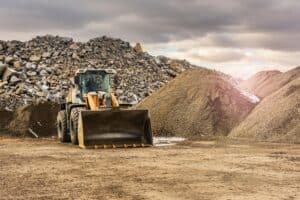
Recycled aggregates are essentially crushed construction and demolition waste that consists of concrete but also includes aggregate materials such as gravel, crushed stones, sand and slag. It is most commonly used in compaction for the first layer of a building however it can also be used for pipe bedding, backfilling trenches, landscaping and a range of construction projects.
A recycled aggregate boasts a selection of benefits compared to concrete aggregates including its long-lasting and durable properties, sustainability, low cost, versatility, high efficiency and low waste.
Throughout this article, we will cover the different advantages of recycled aggregates and the benefits of why you should use them for your next project.
The Benefits Of Recycled Aggregates:
If you are considering using recycled aggregates in your construction projects, there are five main benefits as to why you should choose recycled aggregates over other types of aggregates such as quarried.
As one of the leading aggregate suppliers in Wales supplying areas including Cardiff, Vale of Glamorgan and Bridgend; we have come together to provide you with five of main advantages why you should choose recycled aggregates.
The five benefits of recycled aggregates include:
- Long-lasting and durable properties
- Environmentally sustainable
- Low cost
- Versatile
- Reduces Wasteage
When Do We Recommend Recycled Aggregates?
At Green Circle Concrete, we regularly supply recycled aggregates for domestic, commercial, and civil engineering projects across South Wales. They are a popular choice for applications such as sub-bases, pipe bedding, backfilling, and general groundworks where the specification allows the use of recycled materials.
While recycled aggregates are suitable for many construction projects, they are not the right solution for every application. Some projects require primary quarried aggregates or specific material specifications, so our team is always happy to recommend the most appropriate product based on your project requirements.
1. Long Lasting and Durable Properties
Despite being one of the most affordable types of aggregates, this doesn’t compromise its quality with recycled aggregates being one of the most durable and long-lasting types of aggregates for your construction project.
Individually, recycled aggregates are known to have a reliable structure and long-lasting properties however when mixed with concrete or cement this improves the durability leading to making the recycled aggregate one of the most durable and long-lasting types of aggregates.
It has been proven that recycled aggregates are as safe as traditional aggregates and it is almost guaranteed that you will get the same incredible consistency and reliability as you would expect from your typical aggregate.
2. Environmentally Sustainable
As it is made of recycled materials, leftover materials and natural resources, recycled aggregates are known to be extremely environmentally friendly. It can be stated as one of the main advantages of why you would choose recycled concrete aggregates over traditional aggregates.
It uses little energy to produce and you do not need to quarry for the materials as you are simply reusing different natural resources instead. Furthermore, carbon emissions are hugely reduced when it comes to transporting and producing these types of aggregates because they are produced and reused locally and then distributed.
On the other hand, traditional aggregates have to be quarried, transported from the quarry to construction sites and will sometimes need multiple different transportation options to reach their targeted destination from the source producing a much larger carbon footprint.
Furthermore, recycled aggregates don’t produce pollutants as by-products and reuse construction and demolition waste reducing their environmental impact.
3. Low Cost
Another benefit of using recycled aggregates is that they have a low cost. This is due to the fact that their materials have been used in previous projects making them less expensive to manufacture than traditional aggregates that use raw materials.
As mentioned, recycled aggregates are typically sourced locally meaning the transportation costs are also significantly reduced. Furthermore, by recycling your waste that you have created on demolition and construction sites means that you can bypass landfill tax as well.
4. Versatile
Recycled aggregates are also super versatile being suitable for use in a wide selection of projects in the construction industry including general construction, backfilling trenches, pavements, curbing, noise barriers, concrete manufacturing, landscaping and much more.
Although they are extremely versatile it is worth considering that the type of aggregate you use will depend from job to job and the specific constraints of your specific site of work.
5. Reduces Wasteage
Recycled aggregates are exceptionally eco-friendly and do this by reducing wastage and reusing construction waste. Instead of using virgin materials like traditional aggregates, a recycled concrete aggregate will be made with waste material that is repurposed.
Instead of using the thin amount of virgin materials we have left as the world, by using unwanted materials and used construction materials such as gravel, crushed stones, sand and slag; you can be assured you are playing your part in reducing waste materials.
Frequently Asked Questions About Recycled Aggregates
Are recycled aggregates suitable for domestic construction projects?
Yes, recycled aggregates are widely used for many domestic projects, including driveways, patios, pathways, shed bases and garden landscaping. They provide a stable and durable foundation when properly processed and matched to the intended application. Many homeowners choose recycled aggregates because they offer reliable performance while reducing the use of newly quarried materials. The correct grade of aggregate should always be selected based on the load the finished surface will need to support. Using quality recycled materials allows domestic projects to benefit from both practicality and sustainability.Â
How do recycled aggregates help reduce environmental impact?
Recycled aggregates give construction and demolition materials a second life instead of sending them to landfill. Reusing these materials reduces the demand for extracting new natural aggregates, helping conserve valuable resources. It also lowers the energy required for quarrying, processing and transporting virgin materials, which can reduce the overall carbon footprint of a project. Many recycled aggregates are produced locally, further reducing transport-related emissions. Choosing recycled aggregates is a practical way to support more sustainable construction without compromising on quality.Â
Do recycled aggregates cost less than virgin aggregates?
In many cases, recycled aggregates are a more cost-effective option than virgin materials because they require fewer raw resources to produce. Local sourcing can also reduce transport costs, particularly for projects close to recycling facilities. Lower material costs do not necessarily mean lower quality, as recycled aggregates are suitable for a wide range of construction applications when processed to the appropriate standard. The overall savings will depend on the type of aggregate required, project size and local availability. Comparing both cost and suitability helps ensure you select the most appropriate material for your project.
Conclusion
In conclusion, you should now have a clear idea of what makes recycled aggregates one of the best types of aggregates for your next construction project.
If you are interested in reaping all the benefits of recycled aggregates for your next project, please speak to us about your requirements. We also offer high-quality quarried aggregates with fast delivery across South Wales for your construction projects.
Speak with a member of the team at Green Circle Concrete today on 01656 668 878 to discuss your aggregate requirements for your next project in South Wales.